What Nervous System Regulation Actually Means
The term nervous system regulation is widely used, but often poorly explained.
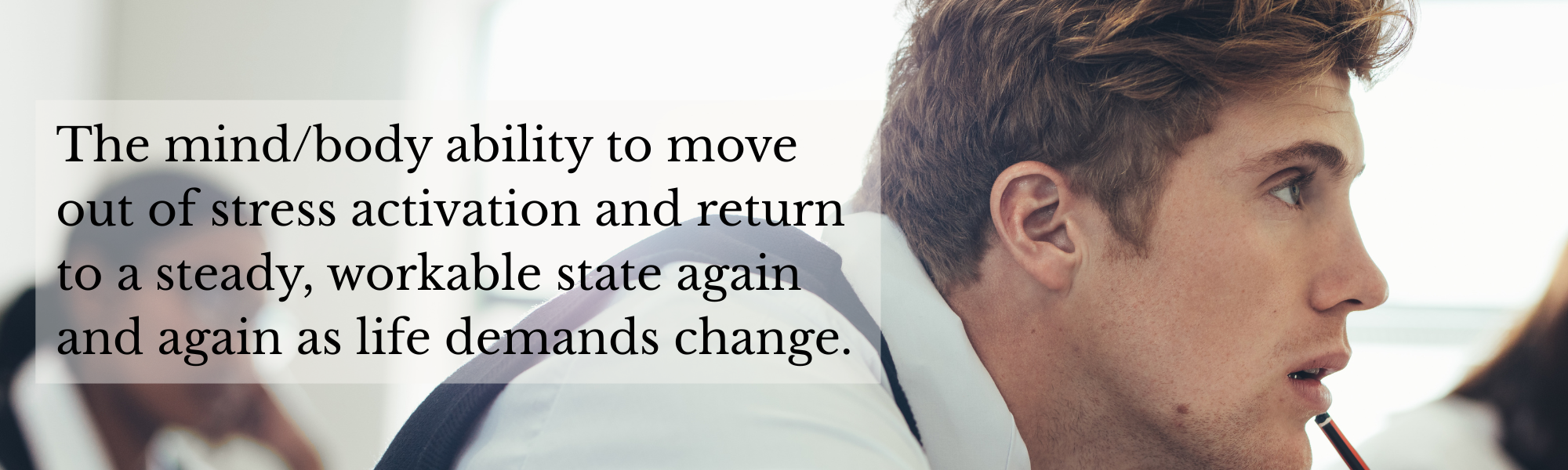
It is not about staying calm all the time. It is about recovery.
Stress Is Not the Problem
Stress responses are a normal and necessary part of human functioning.
They support:
-
alertness
-
movement
-
problem-solving
-
protection
The issue arises when stress activation does not resolve.
When the body remains activated for long periods, it becomes harder to:
-
think clearly
-
regulate emotion
-
rest effectively
-
respond rather than react
Regulation Is About Range, Not Control
A regulated nervous system is not one that avoids activation.
It is one that can:
-
activate when needed
-
settle afterward
-
adapt to changing demands
This ability to move fluidly between states is often referred to as flexibility or capacity.
Regulation is less about control and more about recovery.
What Disregulation Often Feels Like
When regulation is strained, people may notice:
-
persistent tension or fatigue
-
difficulty focusing
-
heightened reactivity
-
feeling “on edge” or shut down
-
trouble resting even when tired
These experiences are often reflect an overtaxed system.
How Regulation Is Supported
Research across psychophysiology and behavioral science suggests that regulation is supported by:
-
paced breathing
-
consistent routines
-
attention training
-
reduced cognitive overload
-
periods of rest and recovery
Small, repeatable practices tend to be more effective than intense or sporadic effort.
Why Regulation Comes First
Many approaches attempt to address thoughts, emotions, or behavior directly.
However, when regulation is compromised:
-
insight may be harder to access
-
self-control requires more effort
-
learning does not integrate as easily
Supporting regulation first creates conditions where clarity and responsibility can emerge more naturally.
Regulation in Everyday Life
Regulation shows up as:
-
the ability to pause before reacting
-
steadier attention under pressure
-
faster recovery after stress
-
greater tolerance for uncertainty
These changes tend to be gradual and cumulative.
Educational Scope
KULA Academy provides educational and developmental programs.
This article is intended to support understanding and reflection.
It does not offer therapy, counseling, or medical guidance.