The focus is not trends or opinion, but conceptual clarity helping readers understand how stress, attention, regulation, and self-direction function in real life.
All materials are educational in nature and written to support responsible, long-term learning.
Purpose of This Library
Research across neuroscience, psychophysiology, behavioral science, and contemplative studies has generated valuable insights into how humans regulate stress, attention, and emotion.
This library exists to:
-
make that research accessible without oversimplifying it
-
translate concepts into everyday language
-
support thoughtful application rather than quick fixes
-
provide reliable reference material over time
Articles are designed to be revisited, not consumed once.
How These Articles Are Written
Each article in this library:
-
draws from established research domains
-
avoids medical or therapeutic claims
-
prioritizes clarity over jargon
-
emphasizes integration over intensity
Language is intentionally measured, neutral, and precise.
What You’ll Find Here
Topics include:
-
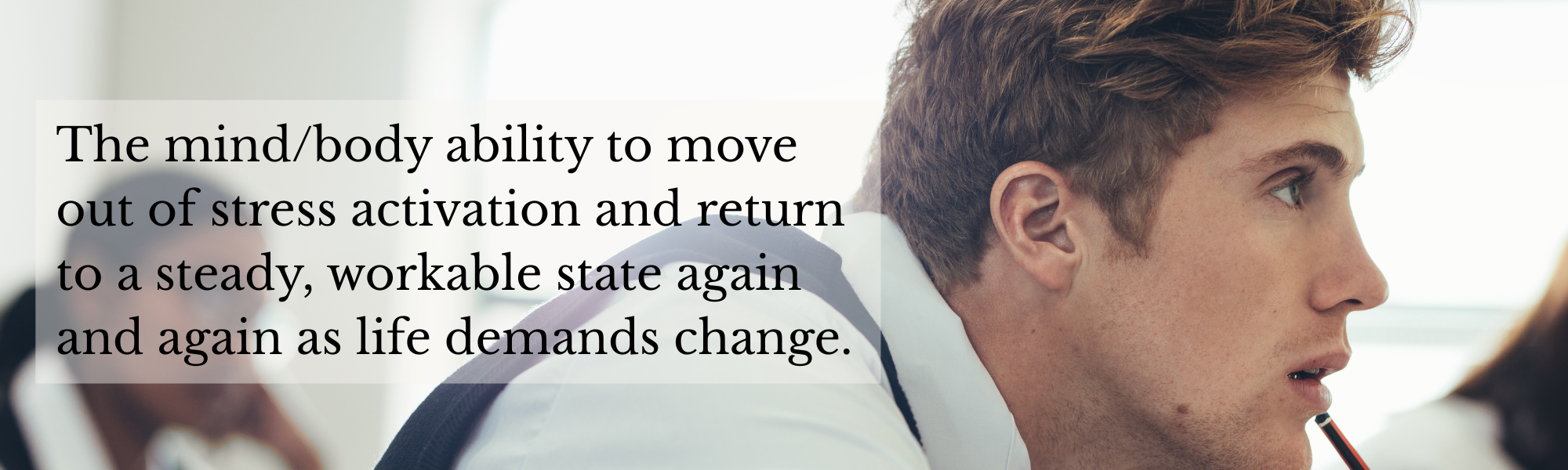
nervous system regulation
-
attention and self-regulation
-
stress physiology
-
emotional steadiness
-
coherence and coordination
-
decision-making under pressure
-
long-range orientation and values
These articles are intended for individuals, educators, and institutions seeking grounded understanding rather than motivation.
Using This Library
You can read these articles:
-
as standalone explanations
-
alongside practices in the Resources section
-
to deepen understanding of KULA’s approach
-
as reference material over time
There is no required sequence.
Library Articles
The following articles are available in the Research-Informed Library:
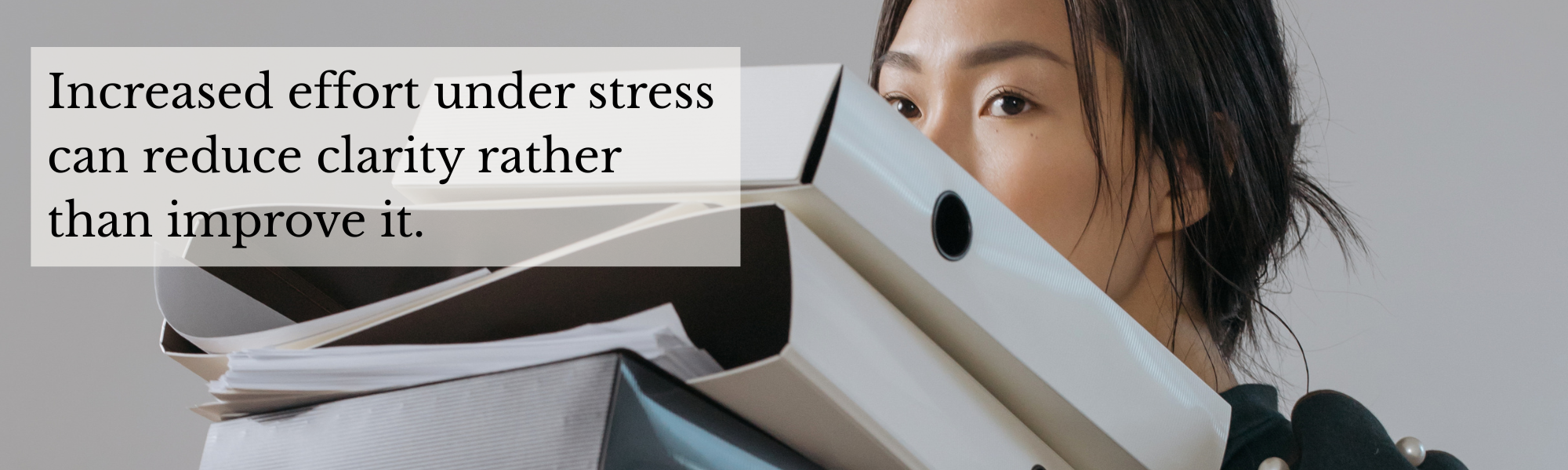
Why “Trying Harder” Often Backfires Under Stress







Educational Scope
KULA Academy provides educational and developmental programs.
The Research-Informed Library does not offer therapy, counseling, medical treatment, or clinical guidance.
Readers experiencing persistent distress are encouraged to seek qualified professional support.
Editorial Standards
All content in this library follows KA’s editorial and research standards, including:
-
responsible sourcing
-
careful language
-
clear scope boundaries
-
periodic review for clarity